

Many fear they won’t be able to travel to see their families. Others fear they won’t get to school on time. The common denominator? Public transport.
It’s no secret that Victoria has been dramatically suffering on the public transport stage. Between significant bus shortages, trains packed with people and v-line booking disruptions, many of us have been left wondering if we’ll even travel to where we need to be on time
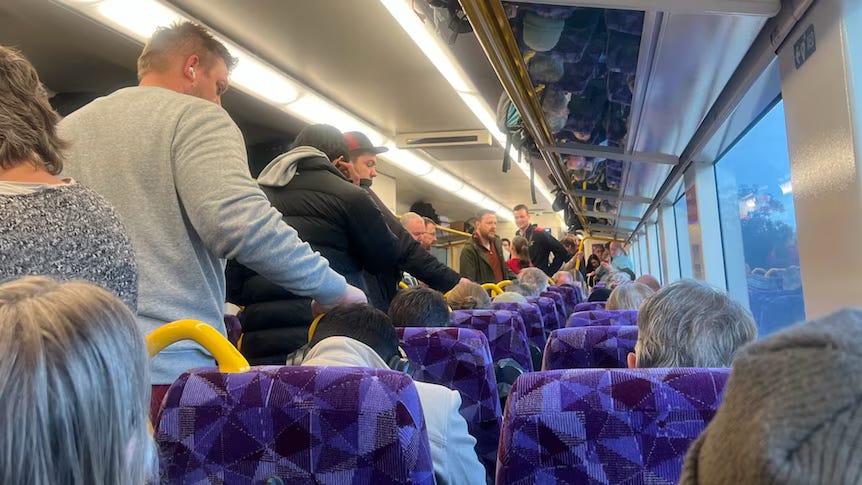
Photo: Kate Young (Supplied) | Australian Broadcasting Corporation
In fact, over the Easter break Victoria had over 300 coaches on standby due to the massive influx of people travelling to their holiday destinations via PT. It also didn’t help that major train lines, most notably the Glen Waverley line, were down during the second week of school holidays - veryyy helpful to the many individuals hanging out with friends or attending events in the city. Additionally, a major student hub, Monash University, also began to feel the aftermath of such public transport disruptions after a drop in the frequency of shuttles between campuses left students cueing in long lines for overcrowded buses, missing classes and even returning home on the way to University as it was a more viable option than travelling to the campuses.
But these shortages and understaffings with public transport have just suddenly appeared out of nowhere…at least, that’s what it seems like. The true cause behind this is most likely the recent fuel shortages, to which Victoria reacted with free public transport for all. Just as the Easter break was starting, and holidays were about to begin…
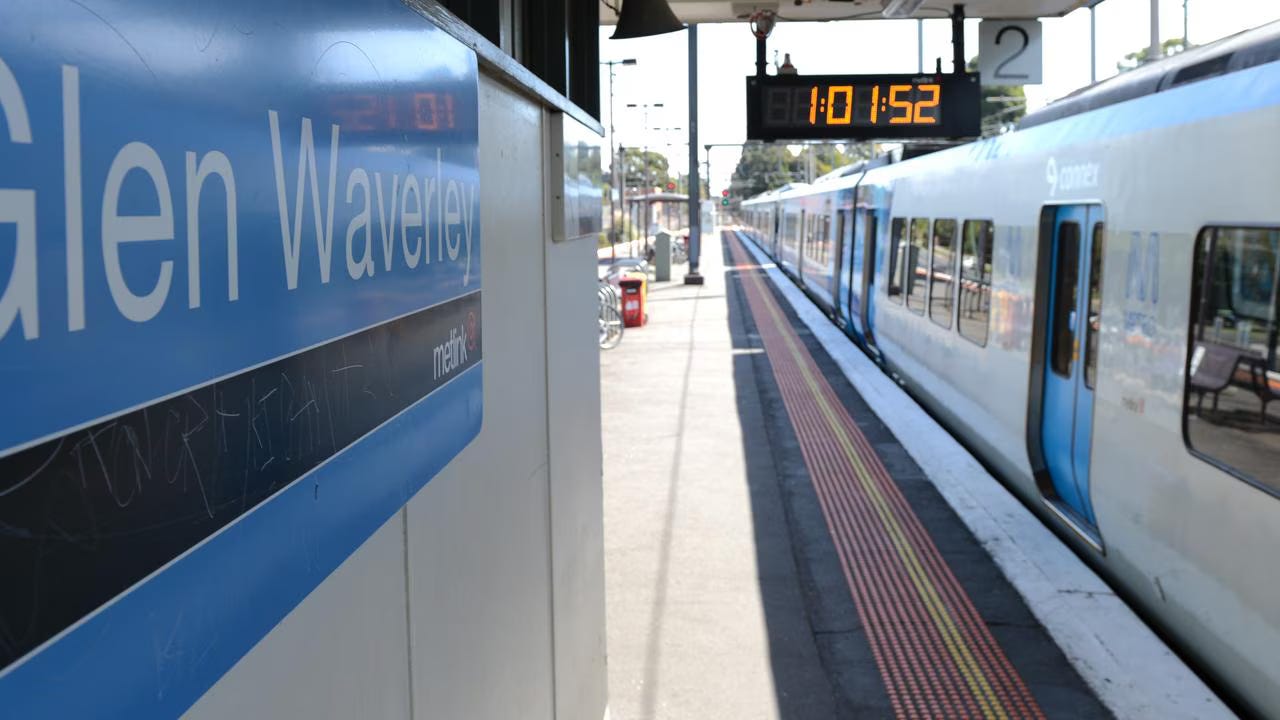
Photo: The Herald Sun
This whole conversation regarding Monash’s public transport scene is an important one to have though, because it sheds light on issues that may have been concealed before. Most notably, the fuel shortages have translated into a discussion regarding electric buses, and whether finances should be invested into importing such vehicles. Overall, there seem to be two major benefits of such an installment: one, they would aid in restricting the consumption of limited fuel in current times, and two, would help Australia in reaching our SDGs (Sustainable Development Goals).
Because Australia imports over 90% of its refined fuels, or in other words fuel used to power machinery and transport, the current conflict in the Middle East has decreased the volume of refined fuel that Australia has for usage. Much of this fuel is delegated to air travel and buses, while the small proportion left over is what we notice driving by a gas station with our jaws open (because yes, prices have been raised!). However, if buses were to start using electricity to run, the reliance that we have on fuel would significantly decrease, and more of the limited amount that we currently have would be available for the public to use for their personal transportation (e.g. cars).
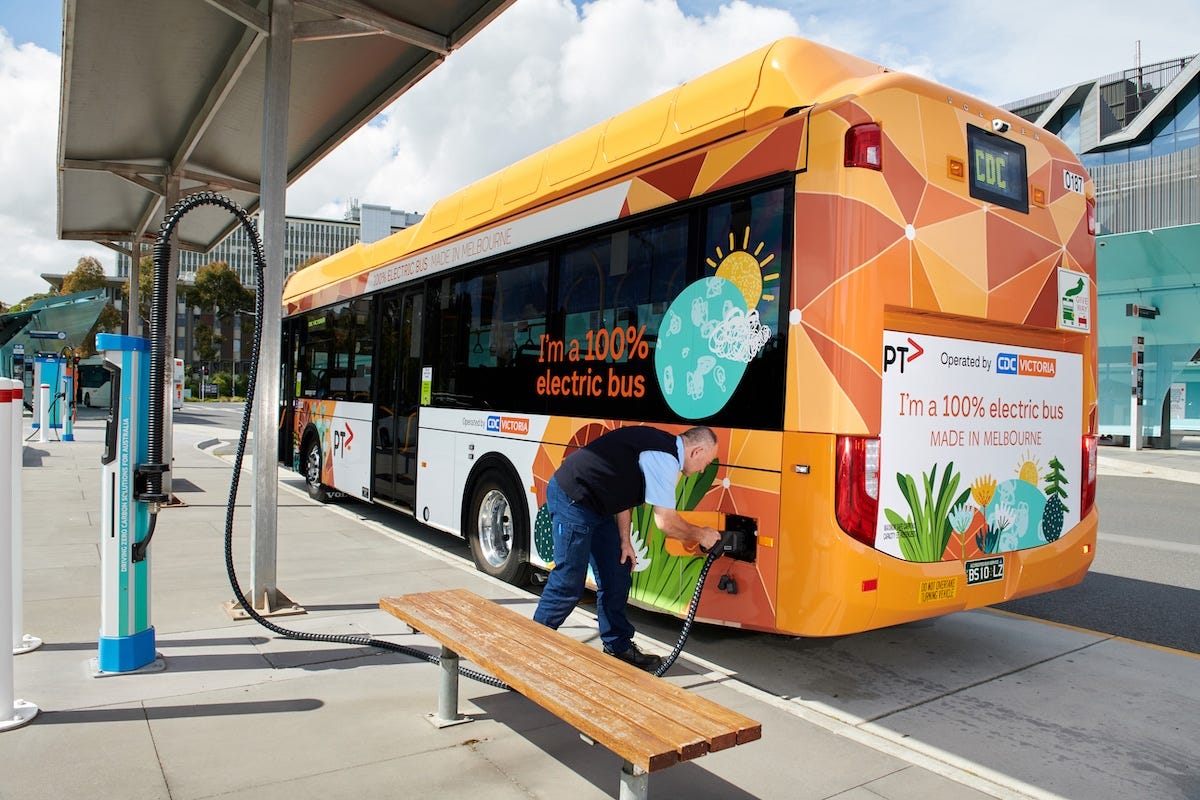
Photo: CDC Victoria | Australasian Bus & Coach
In fact, Monash recently partnered with CDC on a Zero Emission Bus (ZED) project, the aim of which is to make travel for students more comfortable and sustainable. Most notably, battery-electric buses have already been introduced to the 601 and 630 routes, illustrating that the findings from the ZED project truly do have the capacity to change the sustainability, availability and comfortability of public transport throughout Monash, and possibly even wider Victoria.
Of course, the process of converting the majority of Monash’s operational buses into electric ones would be a procedure of utmost time consumption, however would serve great benefits to the Victorian and Australian communities alike. Given the current circumstances of the public transport scene in Victoria, it may be worthwhile for councils and governments to look into electric buses and the future possibilities for PTV.