

In March, Monash Mayor Stuart James made a claim about his council’s roads that was confident enough to invite scrutiny.
“We don’t have any potholes,” he told ABC Melbourne’s Raf Epstein, during a discussion of road maintenance earlier this year. Epstein called it a “bold statement.” Cr James stood by it, drawing a distinction he has made before: much of what residents complain about as “Monash potholes” sits on state-controlled arterial roads, not the local streets his council maintains. He said he was happy to be challenged on the point.
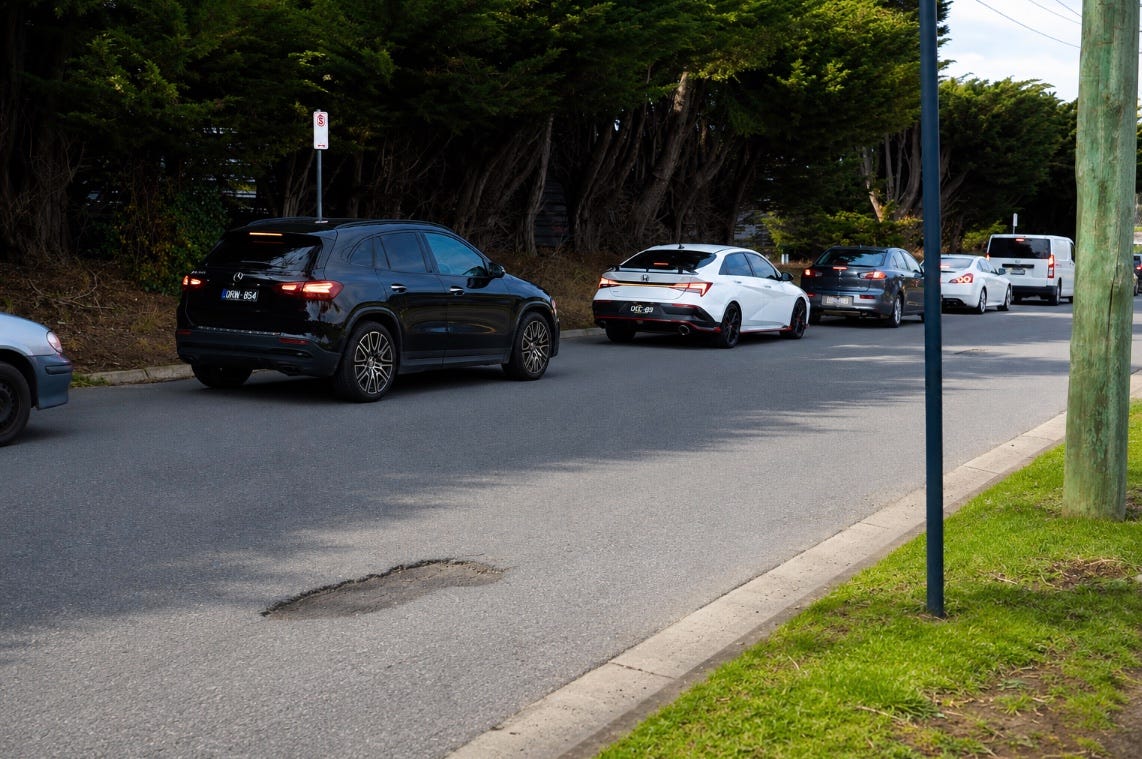
Authorised G Rajapakshe | Monash Herald (Photographed By: Izy Rajapakshe)
It’s the kind of thing that’s easy to say and hard to get exactly right, given how large and constantly changing a council’s road network is. So the Monash Herald decided to investigate.
Our team began examining council roads across the municipality. Within 24 hours, we found a series of potholes on Nantilla Road in Clayton, a road the council maintains.
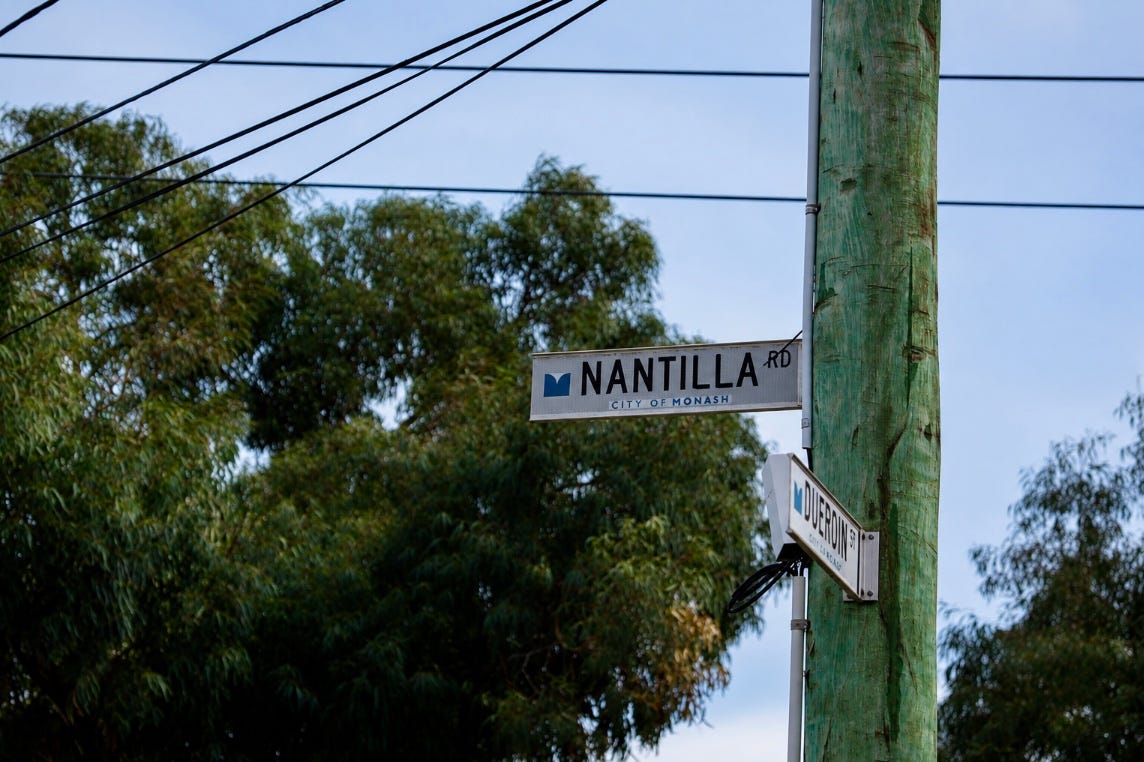
Authorised G Rajapakshe | Monash Herald (Photographed By: Izy Rajapakshe)
Taken at face value, that means Cr James’s claim, stated as an absolute, wasn’t quite accurate at the moment it was tested. It’s a minor point in the scheme of things: a couple of defects, on one street, in a network of council-controlled roads spanning the entire municipality. It says little about the Mayor’s broader record on road maintenance, and it doesn’t suggest he was aware of this particular pothole when he made his comments months earlier.
Councils are managing surfaces that are always shifting under traffic and weather; a network with zero defects at any single moment is a high bar for any local government to clear, and the odd exception turning up under close inspection isn’t unusual.
What stood out far more was what happened next. The Monash Herald reported the defect to the City of Monash.
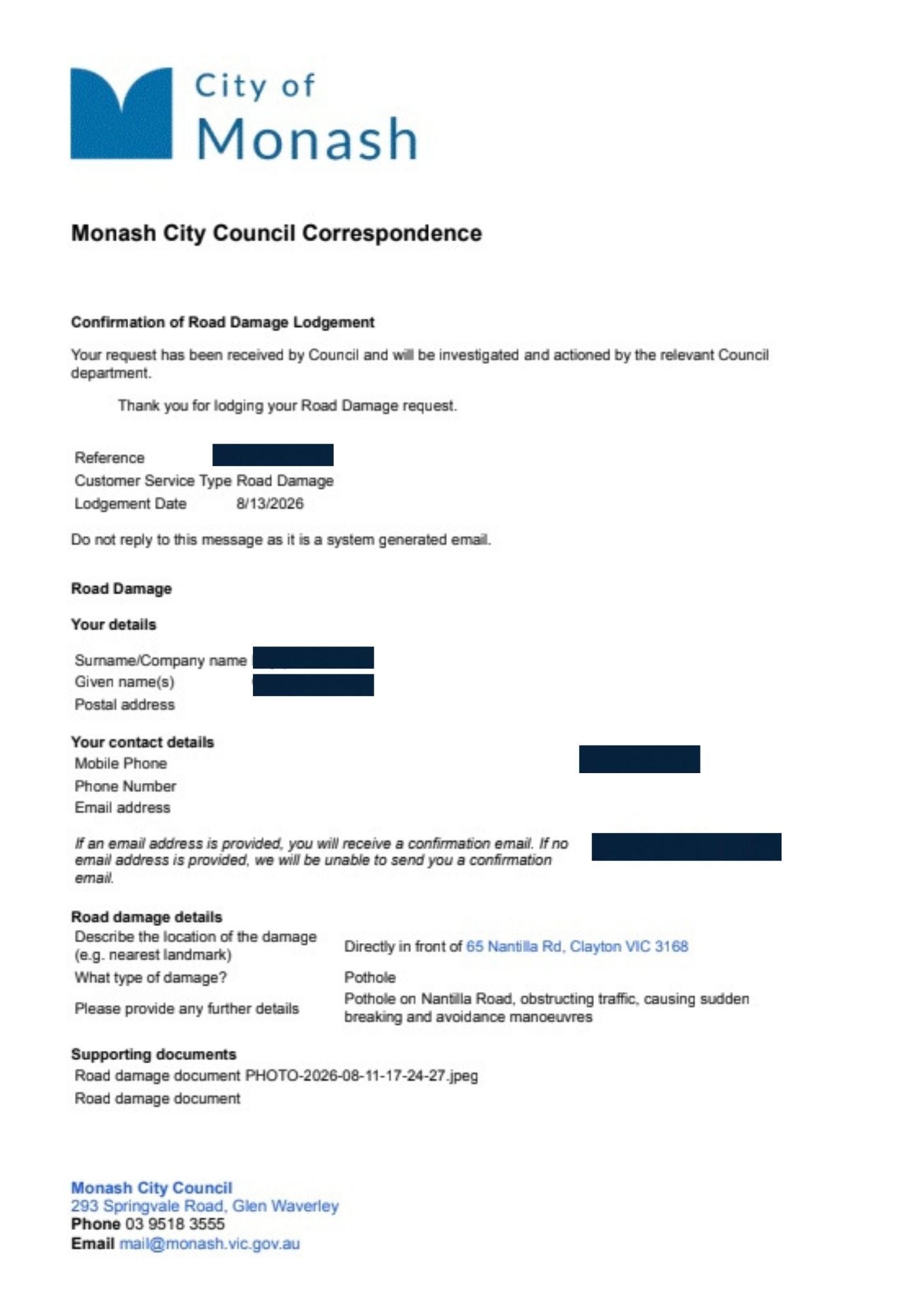
A crew was on site within days. The pothole was repaired within the week. There was no delay, no dispute, no need for follow-up pressure, Council treated it as routine and dealt with it.
That’s the more telling result of this exercise. A council that let a reported pothole sit for months would be a different story. A council that fixes one within a week of being told is, if anything, a story about a maintenance system doing its job well. On this evidence, it appears the City of Monash is responsive and committed to ensuring that the municipality has well maintained roads.
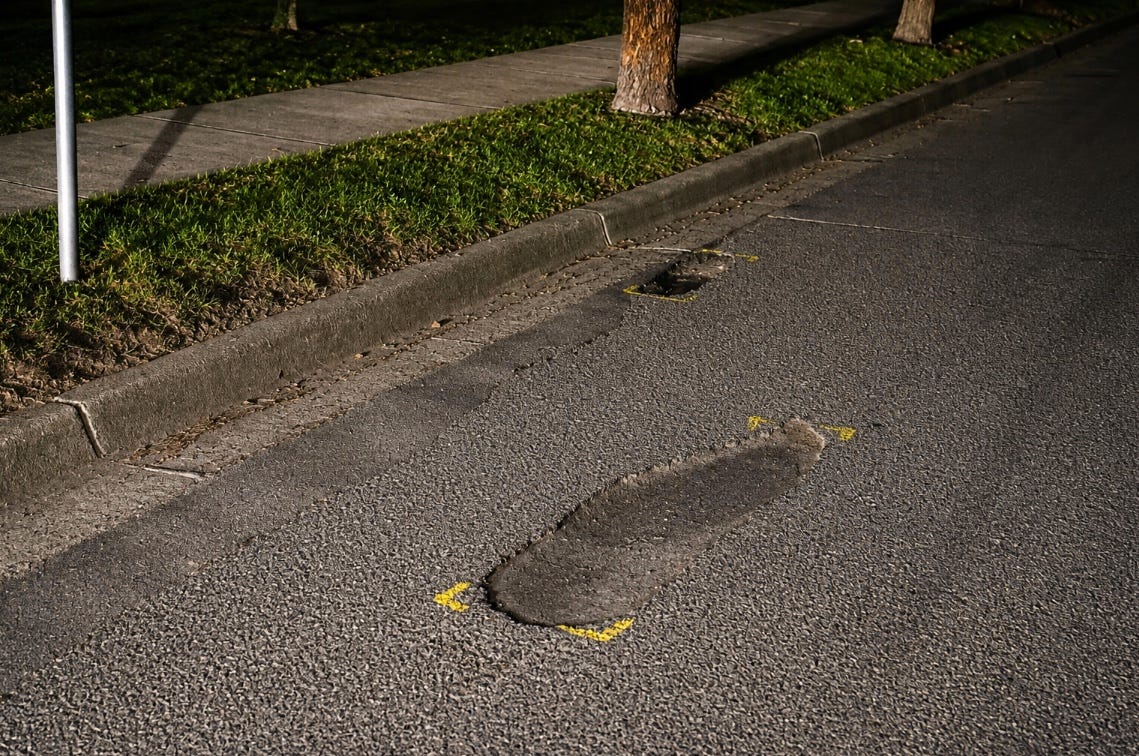
Authorised G Rajapakshe | Monash Herald (Photographed By: Izy Rajapakshe)
What matters to residents is exactly that, whether problems get fixed once they’re reported, and here, they clearly did.
Cr James point about the confusion of jurisdiction is also significant. Many of the roads residents associate with council neglect are, in fact, state-controlled, and that distinction is easy for the public to miss. Cr James was right to draw attention to it, even if his phrasing on this occasion went slightly further than the evidence could support.
The City of Monash’s response stands in contrast to the experience of residents in some municipalities, with Monash offering a gold standard of how local governments and their state counterparts can remain responsive and accountable to the communities they serve.