

Despite the Allan Labor government repeatedly promoting its record investment in school infrastructure, the Auditor-General’s findings suggest that increased spending has not consistently translated into improvements where they are most needed.
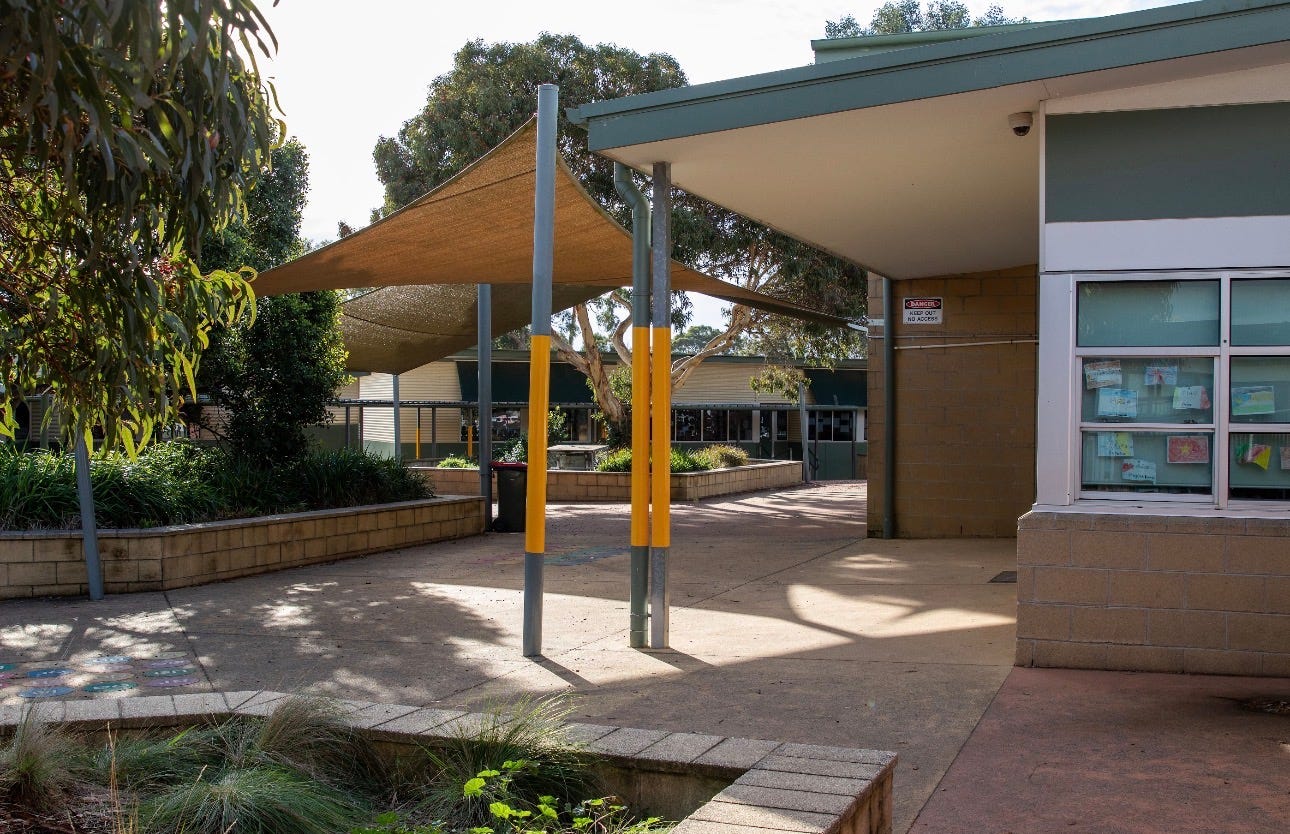
Photo: Izy Rajapakshe | Monash Herald
Since 2017, the Victorian Government has committed $5.4 billion to 786 school upgrade projects. Yet, by October 2024, the number of government schools classified as being in poor condition had risen from 182 to 221. In Monash, 23 of the municipality’s 37 government schools, almost 62 per cent, are rated either worn or poor, illustrating the ongoing challenge of ageing infrastructure despite years of capital investment.
The Auditor-General also questioned how upgrade funding is allocated. While the Victorian School Building Authority has a strategy to prioritise schools in the worst condition, the audit found that it did not consistently follow this framework when recommending projects for funding. Between 2015-16 and 2024-25, only 19 per cent of schools receiving upgrade funding were classified as being in poor condition, while almost half were already rated in good condition.
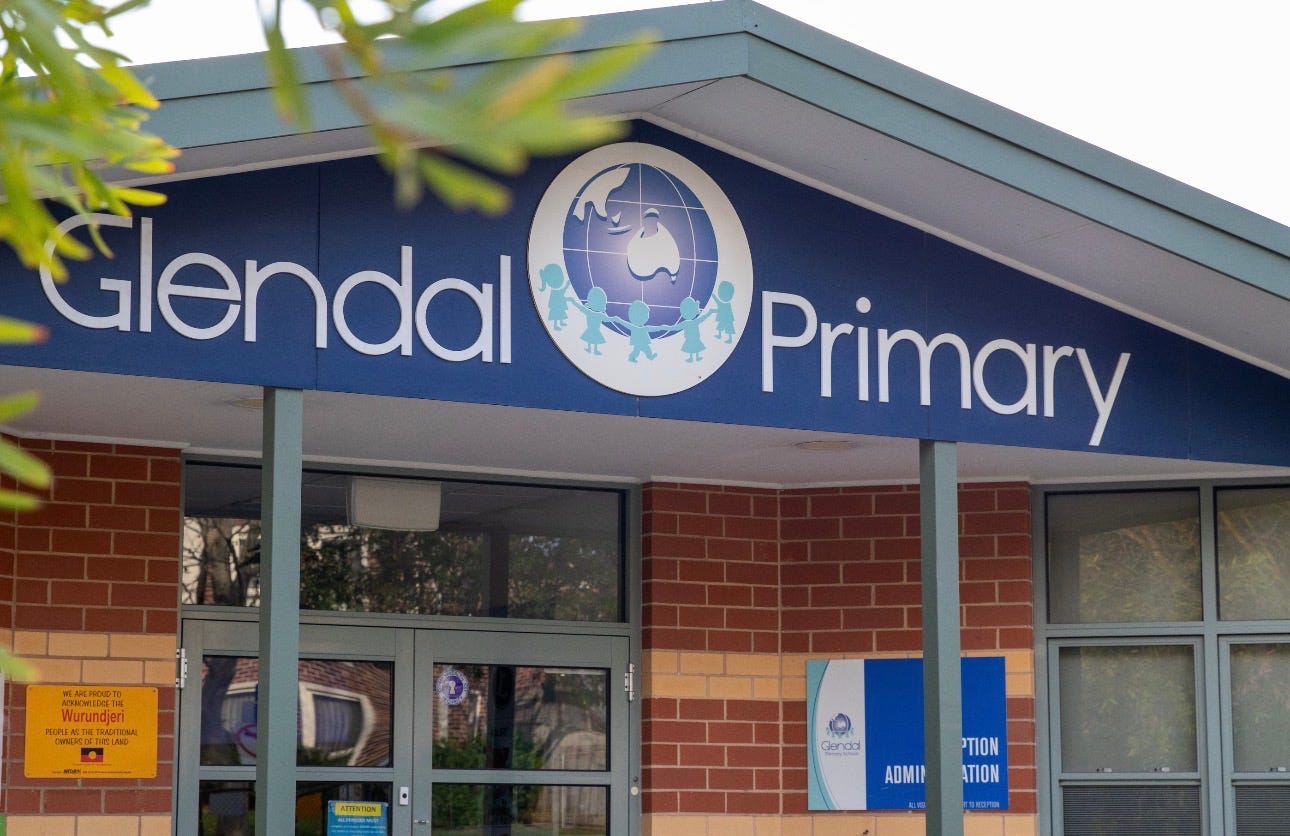
Photo: Izy Rajapakshe | Monash Herald
The report raises broader questions about the government’s infrastructure priorities. Successive Labor governments have invested heavily in building new schools to service Melbourne’s growing suburbs, but the audit suggests established schools with ageing facilities risk being overlooked. The Auditor-General concluded that weaknesses in project prioritisation and oversight reduce confidence that public funding is being directed to schools with the greatest need.
With Victoria in the midst of an election year, the findings present a significant test for a government that has long positioned education as a cornerstone of its policy agenda. They suggest that record levels of expenditure alone are not enough; how funding is prioritised, managed and delivered is equally critical to improving the condition of Victoria’s ageing schools.
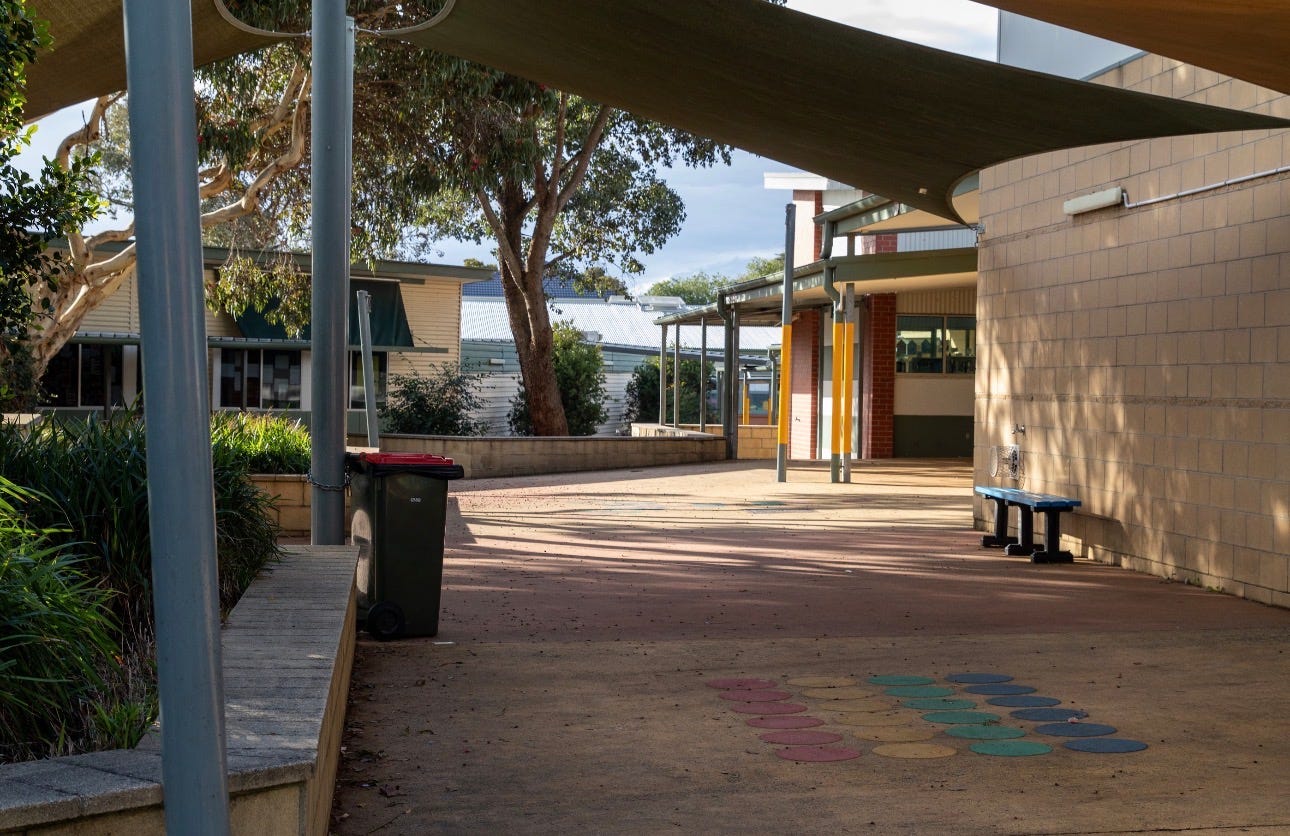
Photo: Izy Rajapakshe | Monash Herald
The report also lands against the backdrop of heightened scrutiny over the state’s management of public spending, including ongoing investigations and controversy surrounding Victoria’s relationship with the construction industry following allegations of corruption involving the CFMEU. In that environment, questions about transparency, accountability and value for money are likely to carry even greater political weight.
For the Allan government, the challenge is no longer simply to point to record funding announcements, but to demonstrate that investment is reaching the schools that need it most and delivering measurable improvements for students. As Victorians prepare to head to the polls, the Auditor-General’s findings are likely to sharpen debate not only about how much is being spent, but how effectively public money is being used.