

For many Monash residents, Springvale Road is an unavoidable part of daily life. Stretching through the heart of Glen Waverley and connecting thousands of motorists to the Monash Freeway, EastLink, shopping precincts, schools and employment centres, it is one of Melbourne’s busiest transport corridors.
It is now also Australia’s most dangerous road.
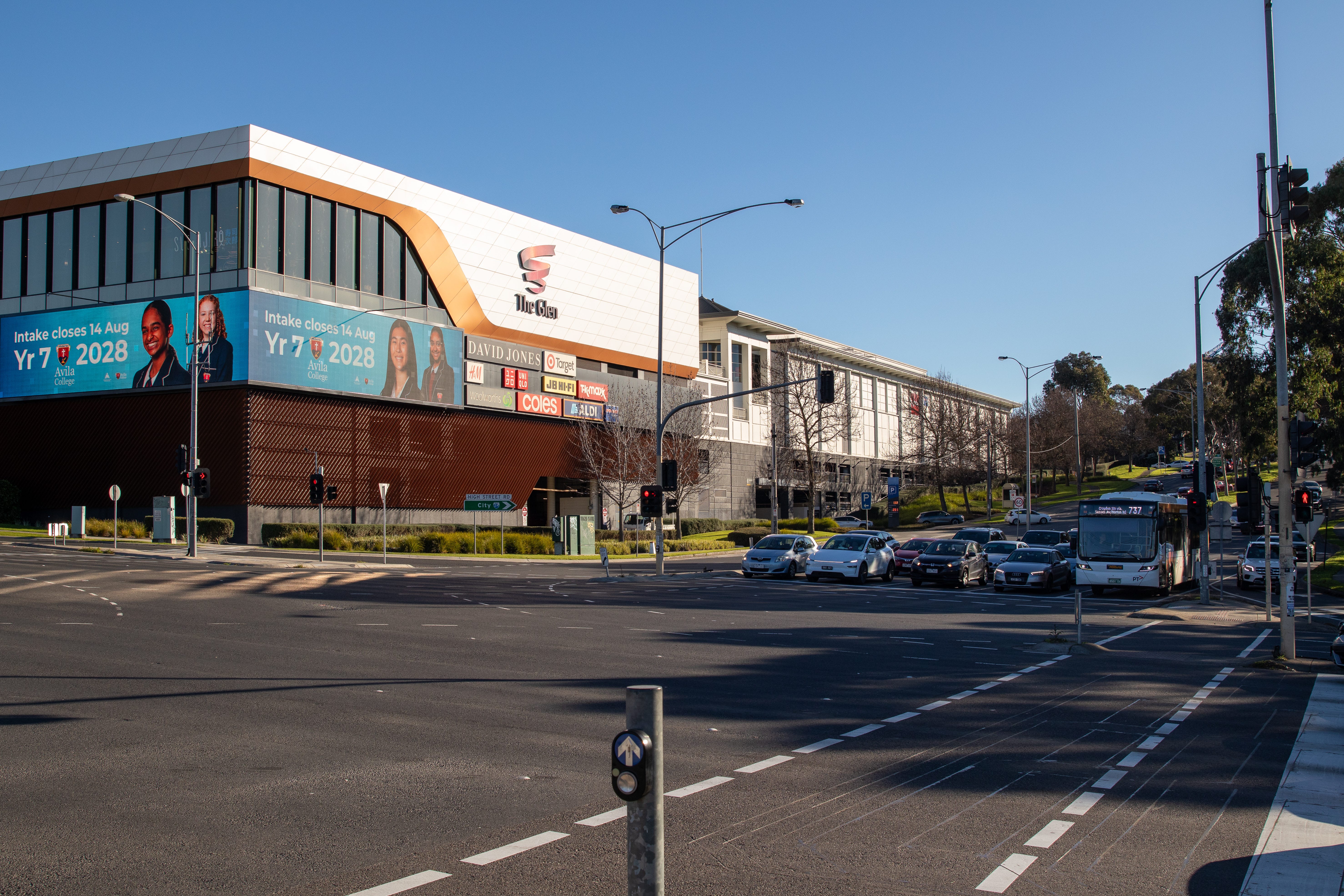
Photo: Izy Rajapakshe | Monash Herald
New crash analysis released as part of AAMI’s 2026 Crash Index has identified Springvale Road, particularly through Glen Waverley, as the nation’s leading crash hotspot after recording the highest concentration of insurance claims anywhere in Australia during 2025. The findings place Monash at the centre of a growing national conversation around congestion, road safety and the increasing pressure being placed on Melbourne’s suburban arterial network.
While the ranking is confronting, it reflects more than simply driver behaviour. Springvale Road carries an enormous volume of traffic each day, serving commuters, freight vehicles, buses and local traffic simultaneously. Combined with numerous signalised intersections, shopping precinct access points and heavy pedestrian activity, the corridor presents a challenging operating environment even for experienced motorists. The section through Glen Waverley is particularly complex. Vehicles frequently transition between through traffic and local access movements, while motorists negotiate turning traffic into commercial centres, schools and residential streets. During peak periods, congestion often extends through multiple intersections, increasing the likelihood of low-speed rear-end collisions and driver frustration.
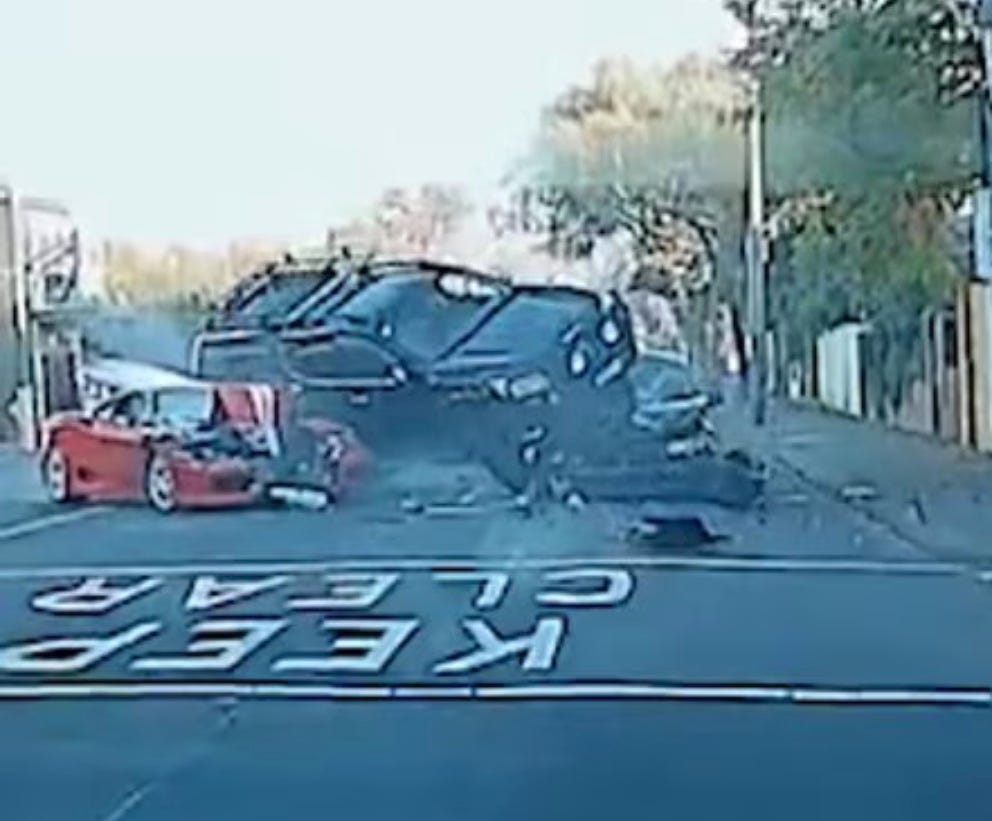
According to the AAMI analysis, rear-end crashes remain the most common collision type, accounting for almost one-third of all recorded incidents. Failures to give way and impacts with stationary objects were also identified as significant contributors, reinforcing that many crashes occur during everyday driving situations rather than extreme speeding events.
Road safety specialists have long argued that Australia’s growing suburban centres require a broader approach than enforcement alone. Infrastructure improvements, intersection design, traffic signal optimisation and safer pedestrian environments all play an important role in reducing crash risk.
That position is increasingly supported by research from the Monash University Accident Research Centre, which recently found that reducing vehicle speeds in appropriate urban environments can significantly reduce casualty crashes and pedestrian injuries. Their research demonstrated measurable safety improvements in areas where lower speed limits had been implemented, particularly in locations with high pedestrian activity.
Photo: Izy Rajapakshe | Monash Herald
The broader Victorian picture also illustrates why local road safety remains an important public policy issue. Official crash datasets compiled from Victoria Police and hospital records continue to identify road trauma as one of the state’s most significant preventable causes of death and serious injury, with authorities updating detailed crash information each month to help identify emerging risk locations and inform future infrastructure investment.
For Monash residents, however, the statistics represent something far more personal than numbers on a spreadsheet.
Every collision has the potential to delay emergency services, disrupt businesses, impact local families and place additional strain on already congested transport corridors. Many residents would be familiar with the frequent traffic queues that follow even relatively minor incidents along Springvale Road and the Monash Freeway, where secondary crashes often become an additional safety concern.
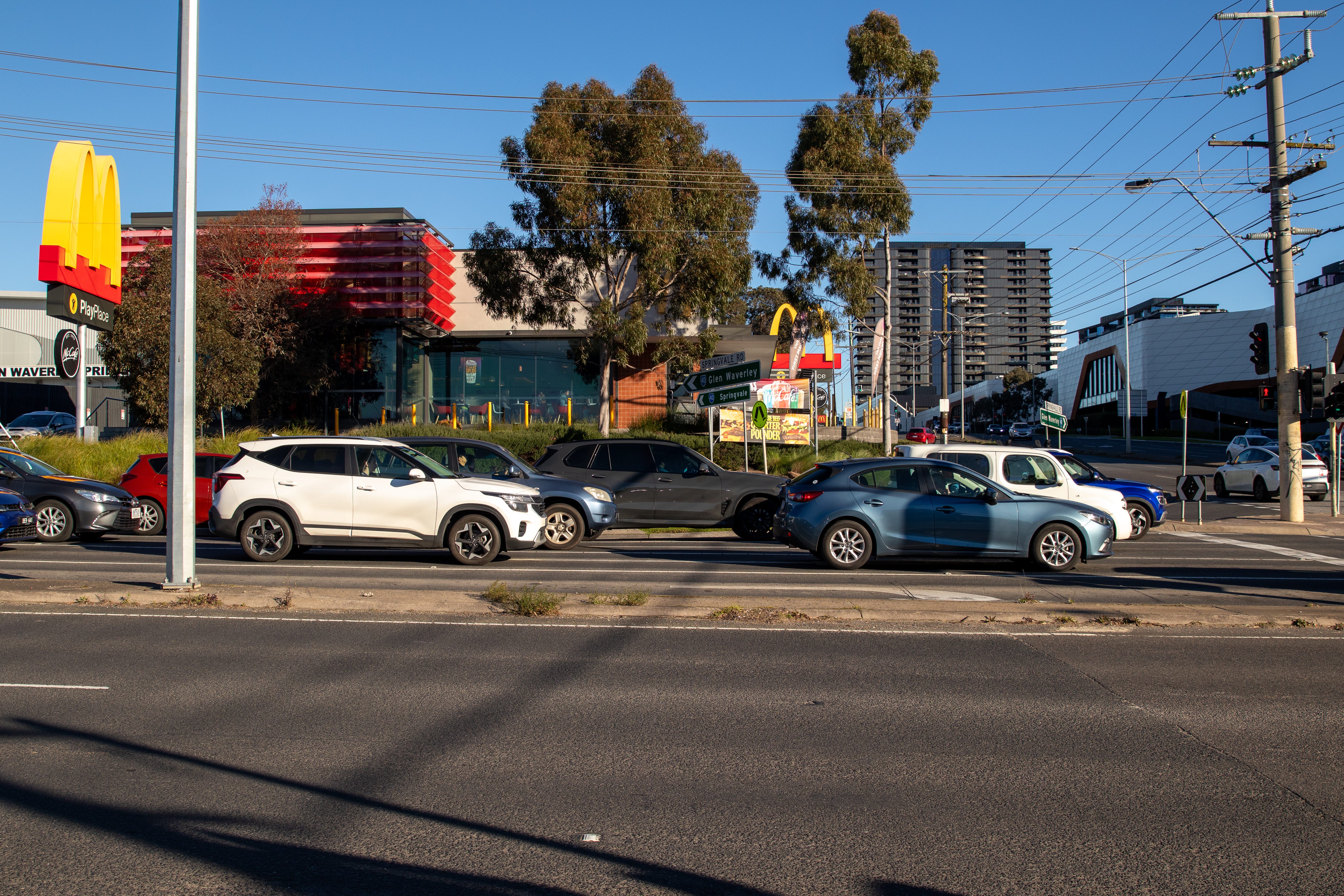
Photo: Izy Rajapakshe | Monash Herald
As Monash continues to accommodate population growth and increased development, transport infrastructure will inevitably come under greater pressure. Ensuring that key arterial roads can safely accommodate that growth will require continued investment in intelligent traffic management, safer intersections, pedestrian protection and evidence-based road design.
Springvale Road’s unwanted title should not simply be viewed as an alarming statistic. Rather, it serves as a reminder that road safety is a shared responsibility between governments, engineers and every person behind the wheel.
For one of Melbourne’s fastest-growing municipalities, ensuring residents can travel safely may prove to be one of Monash’s most important infrastructure challenges in the years ahead.