

Today, Glen Waverley is synonymous with premium homes, leading schools, a thriving multicultural community and one of Melbourne’s busiest retail destinations. Yet more than a century ago, the suburb looked vastly different. Before it became one of Victoria’s most sought-after addresses, it was a sparsely populated farming settlement known as Black Flat
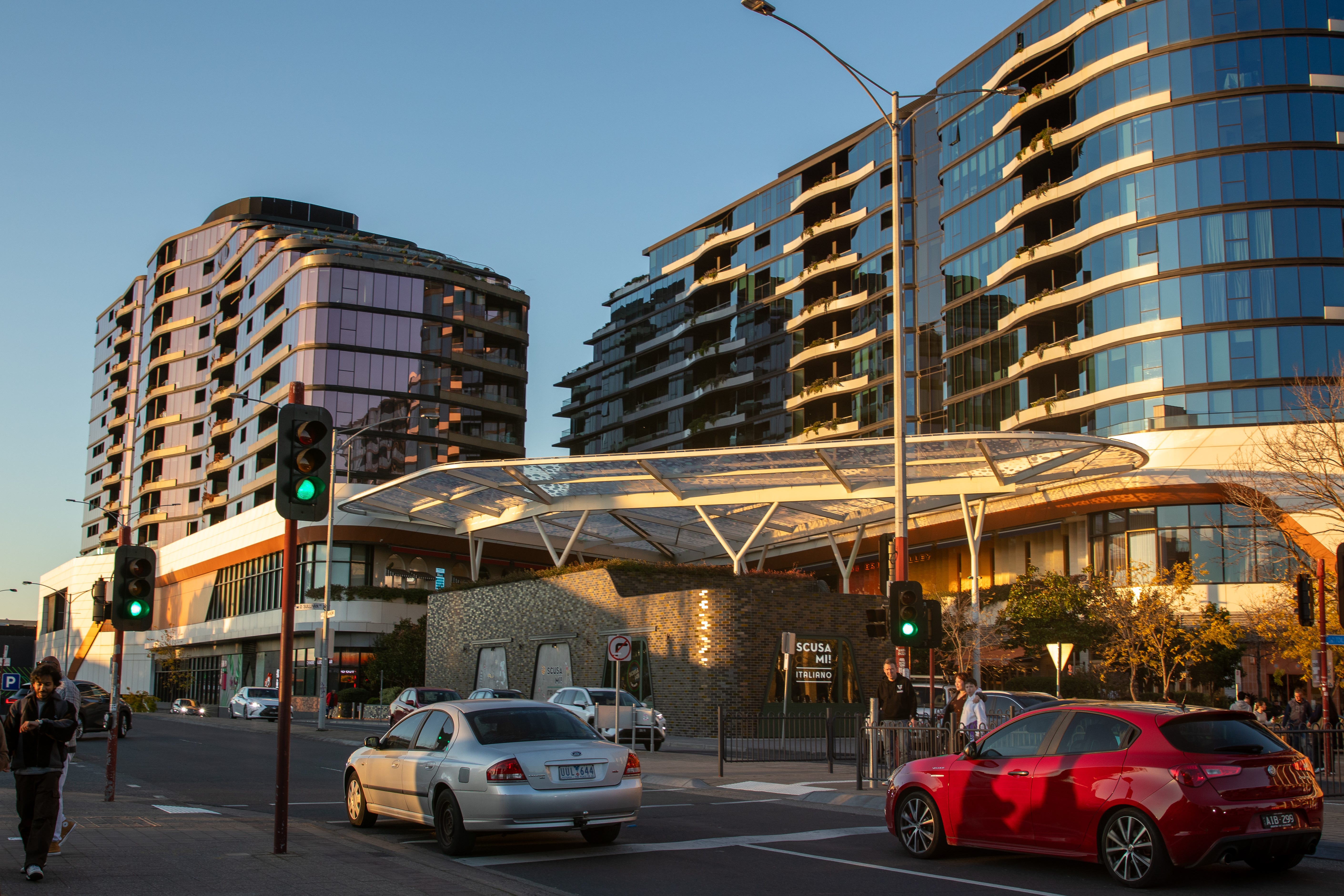
Photo: Izy Rajapakshe | Monash Herald
The name “Black Flat” emerged during the mid-1800s when the district was characterised by open grasslands, dense timber and rich volcanic soils. Early settlers established orchards, small farms and timber operations throughout the area, while horse-drawn drays travelled along what are now some of Monash’s busiest roads. The landscape bore little resemblance to the suburban environment residents know today.
One of the first major milestones in the community’s development came in 1868, when the Black Flat State School opened to serve the area’s growing farming population. At the time, the settlement consisted of only a handful of homes, orchards and rural properties scattered across what is now Glen Waverley.
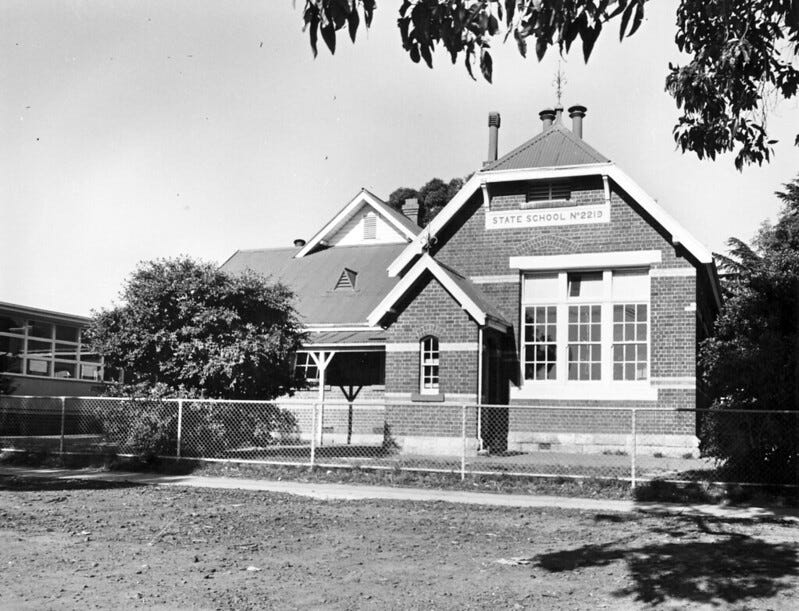
Photo: City of Monash | Public Library Service
By the late nineteenth century, a small village had begun to emerge around the intersection of Springvale Road and Waverley Road. Residents had successfully established a post office and several local businesses and were campaigning for a railway connection to Melbourne. However, many believed the settlement’s name no longer reflected the aspirations of an expanding community.
After years of discussion, the name Glen Waverley was officially adopted in 1905. The new name drew inspiration from an earlier privately surveyed township and the famous Waverley novels by Sir Walter Scott, reflecting the optimism of a community looking towards its future rather than its rural past. At the same time, neighbouring Waverley was renamed Mount Waverley to avoid confusion.
Despite the new identity, Glen Waverley remained a quiet country township for several decades. The district was known for its orchards, market gardens and small-scale agriculture, with only a hotel, bakery, several stores and a recreation ground serving local residents during the early 1900s. A Mechanics’ Institute opened in 1909, becoming the social heart of the community and a venue for meetings, church services and public events.
The suburb’s transformation accelerated following the arrival of the Glen Waverley railway line in 1930, although significant residential growth did not occur until after the Second World War. Through the 1950s and 1960s, farmland steadily gave way to housing estates, schools and shopping centres as Melbourne expanded eastward.
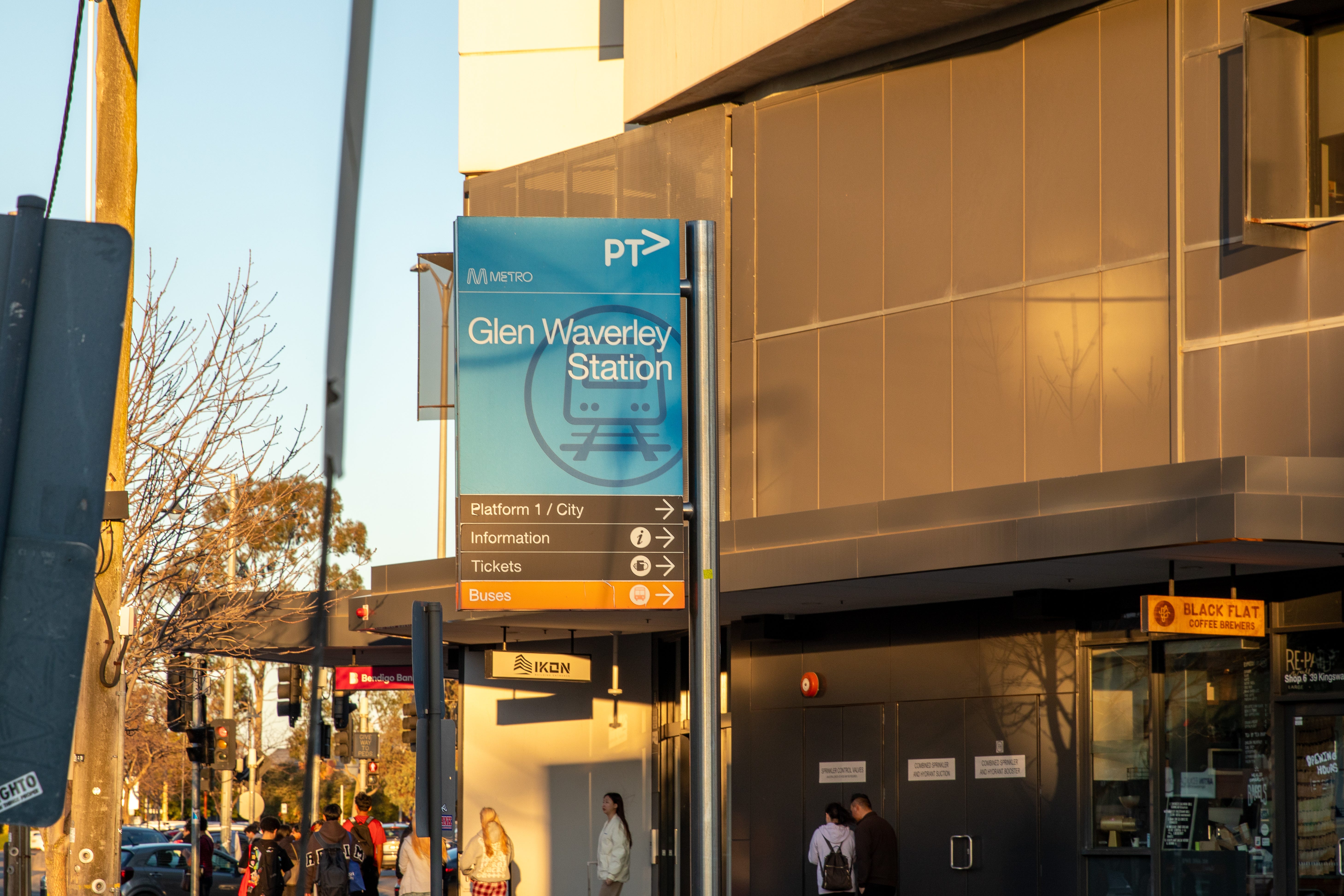
Photo: Izy Rajapakshe | Monash Herald
The opening and continued expansion of The Glen Shopping Centre, together with the establishment of quality schools, improved transport links and major civic infrastructure, cemented Glen Waverley’s position as one of Melbourne’s premier suburban centres. What was once a quiet farming district became the commercial and civic heart of the former City of Waverley and, today, the City of Monash.
Yet traces of Black Flat remain. Heritage buildings, historic streets and preserved community landmarks offer subtle reminders of the settlement that existed long before apartment towers and bustling cafés became defining features of the suburb.
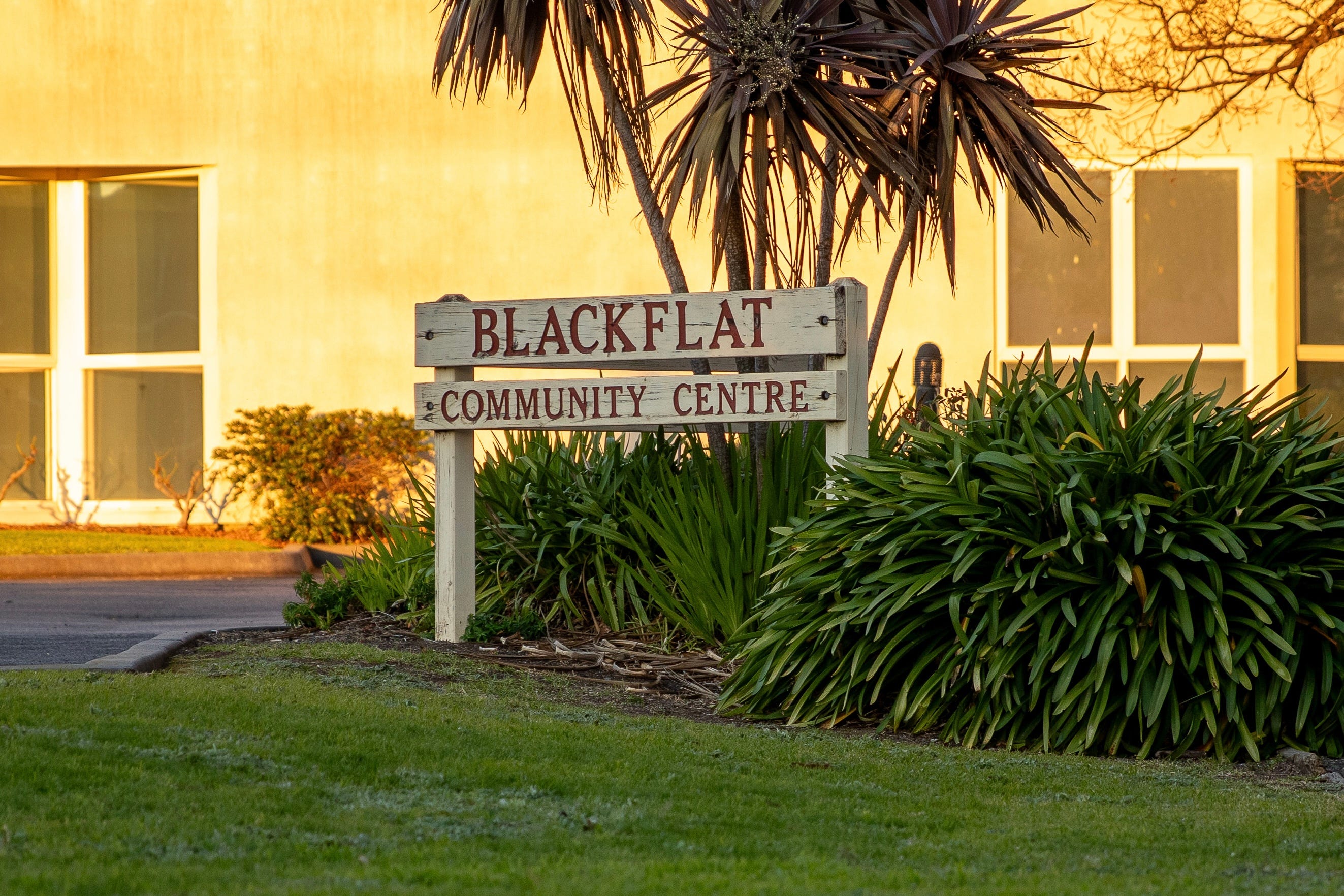
Photo: Izy Rajapakshe | Monash Herald
As Monash continues to evolve through new developments and growing populations, remembering places such as Black Flat provides an important connection to the municipality’s origins. It is a reminder that every modern community begins somewhere and that beneath Glen Waverley’s contemporary skyline lies the story of a small rural settlement that helped shape one of Melbourne’s most successful suburbs.